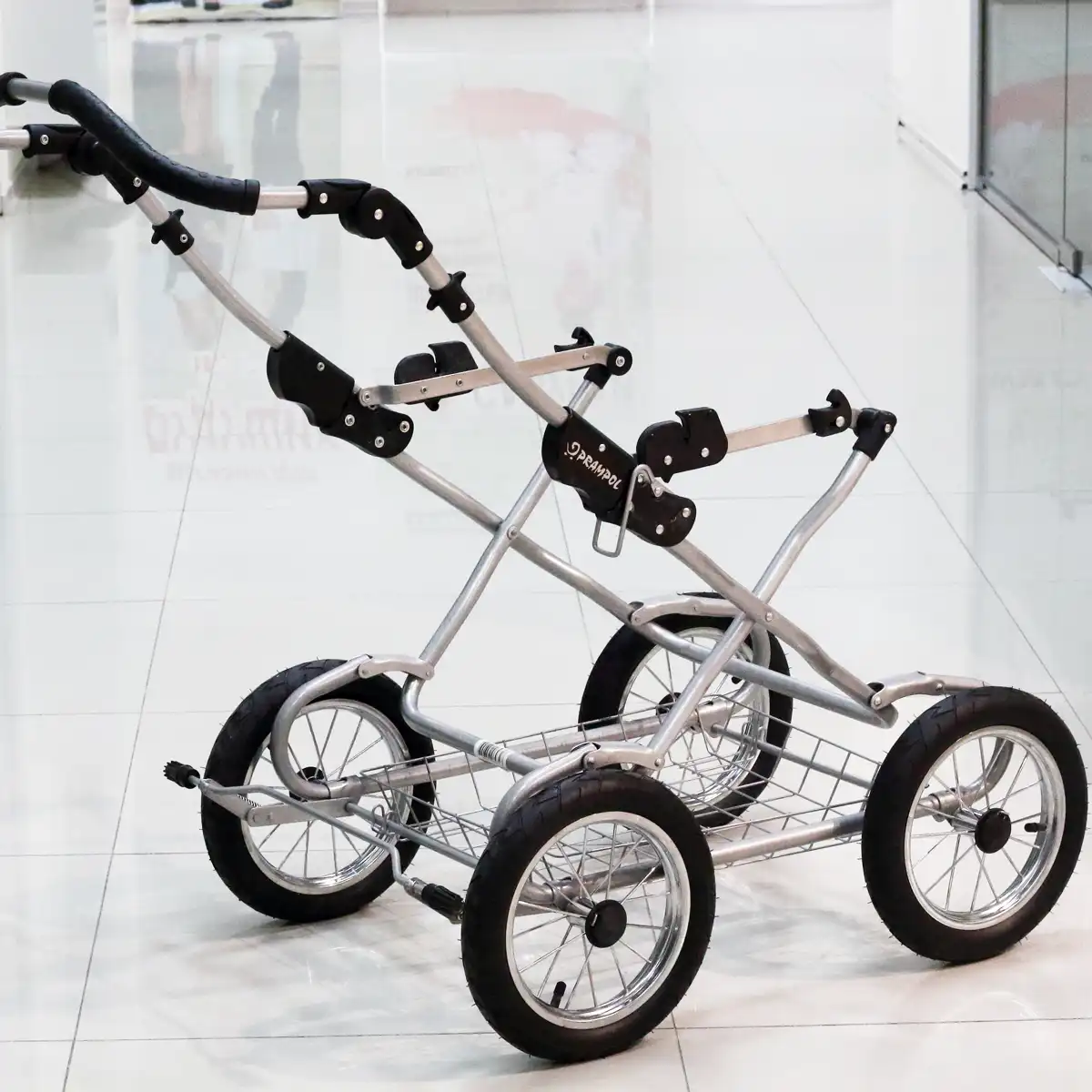
How to Make Your Stroller Ride Smoother? Engineer’s Guide to Suspension
How to Make Your Stroller Ride Smoother?
Expert Solutions for Better Shock Absorption & Comfort
I have been working with baby strollers for over 20 years: researching, dismantling, and studying the internal mechanical systems. In this article, I am not selling anything. I am simply sharing my engineering research on stroller suspension and shock absorption. Let's look into this issue together from a technical perspective.
What can you actually do to improve your stroller's softness?
Before considering a new purchase, try these mechanical adjustments to optimize your current chassis performance:
Improvement Step / Action
Visual Reference (Photo)
Engineering Insight
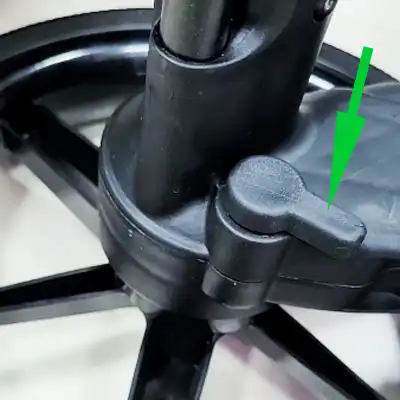
1. Find the Adjustable Suspension Switch Check the area directly under the rear wheel springs. Many premium strollers have a "Hard/Soft" toggle. Switch it, press down on the handlebar, and feel the difference. Keep it in the most flexible position for bumpy terrain.
Adjusting the spring preload changes the initial resistance of the coil.
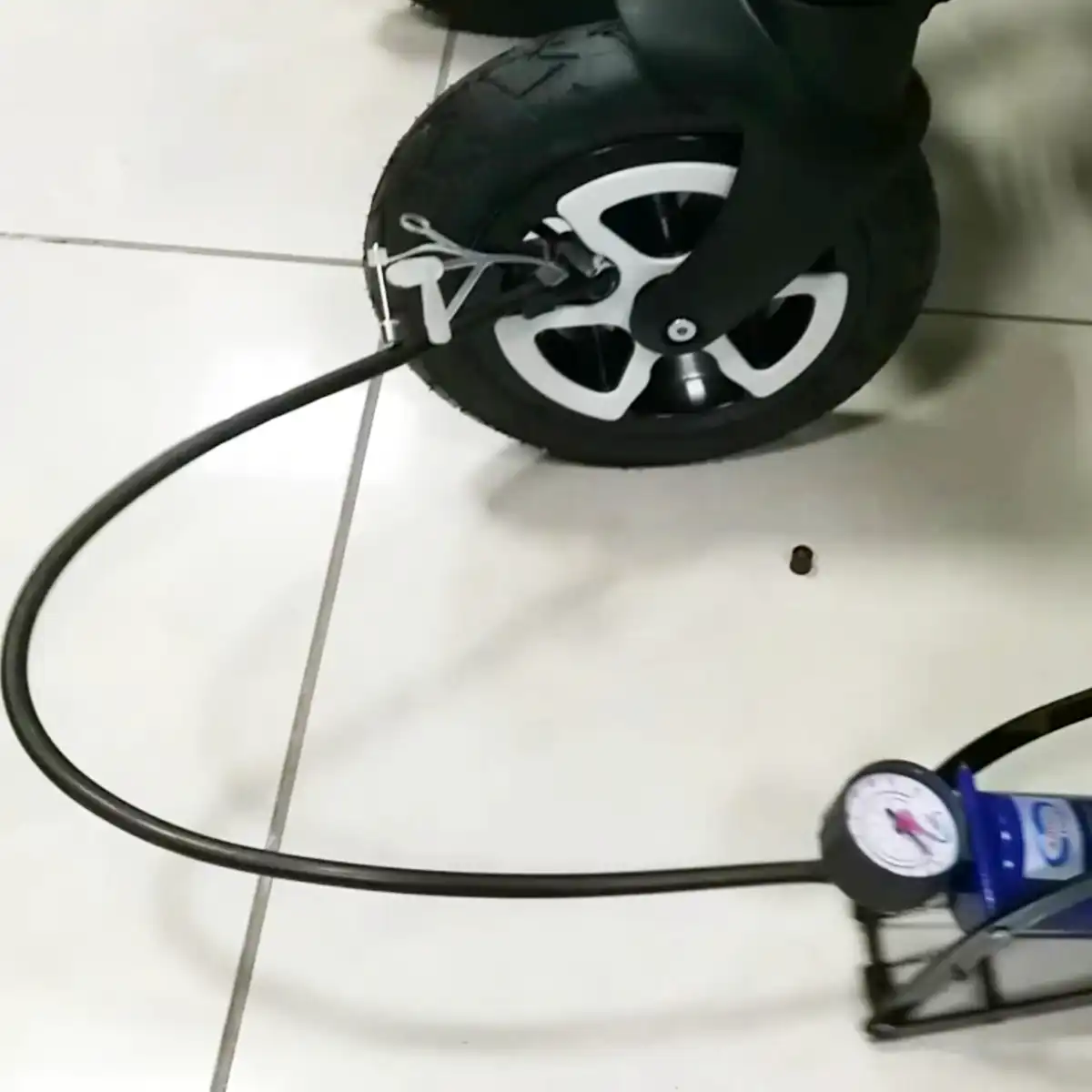
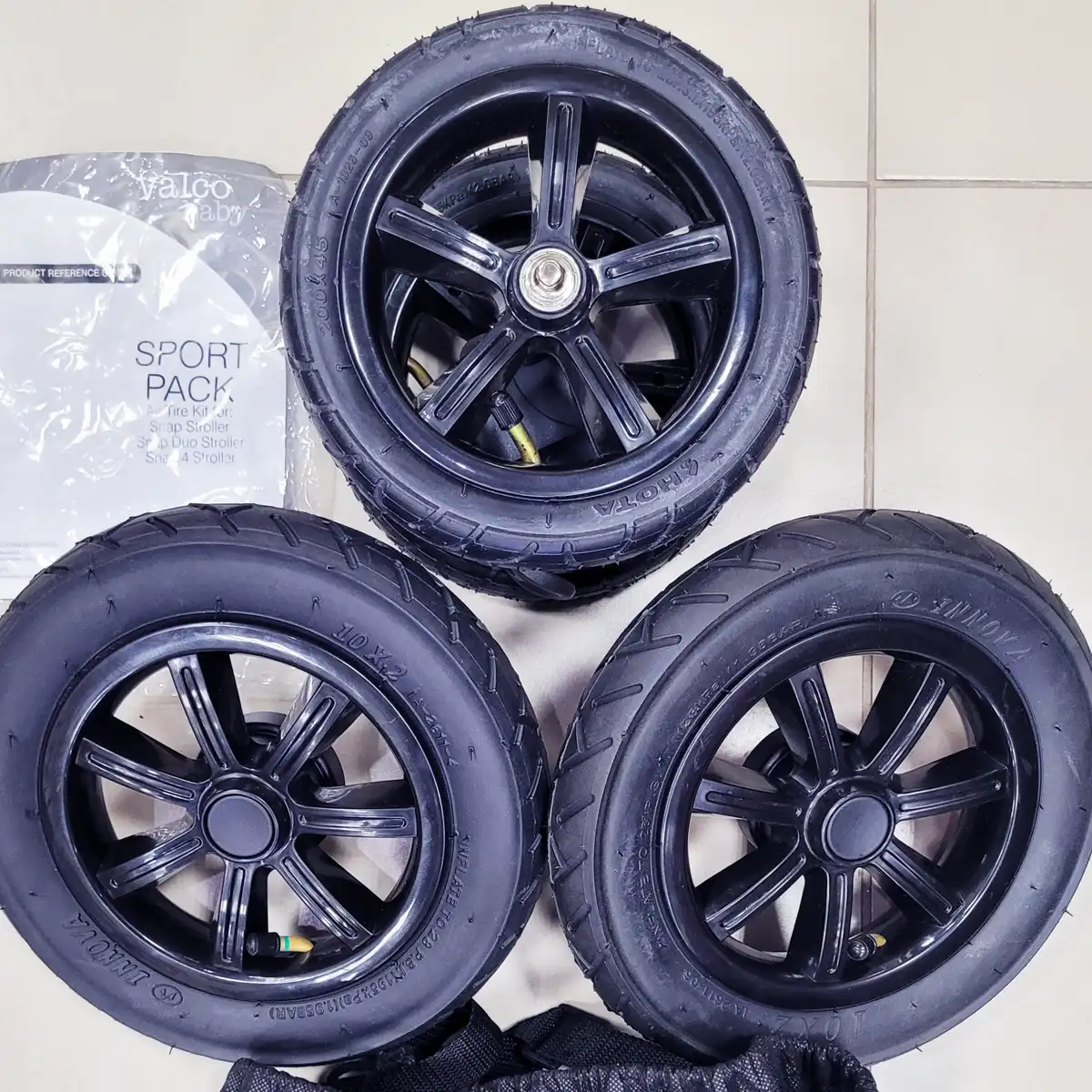
2. Optimize Tire Pressure (Pneumatic Only) Check your pressure with a gauge. It should match the instructions, typically 1.0–2.0 BAR.
Lifehack-1: The lower the pressure, the smoother the ride (larger contact patch and less air resistance in the tire).
Warning! Too low pressure leads to rapid tire wear.
Air acts as a progressive damper, absorbing high-frequency micro-shocks.
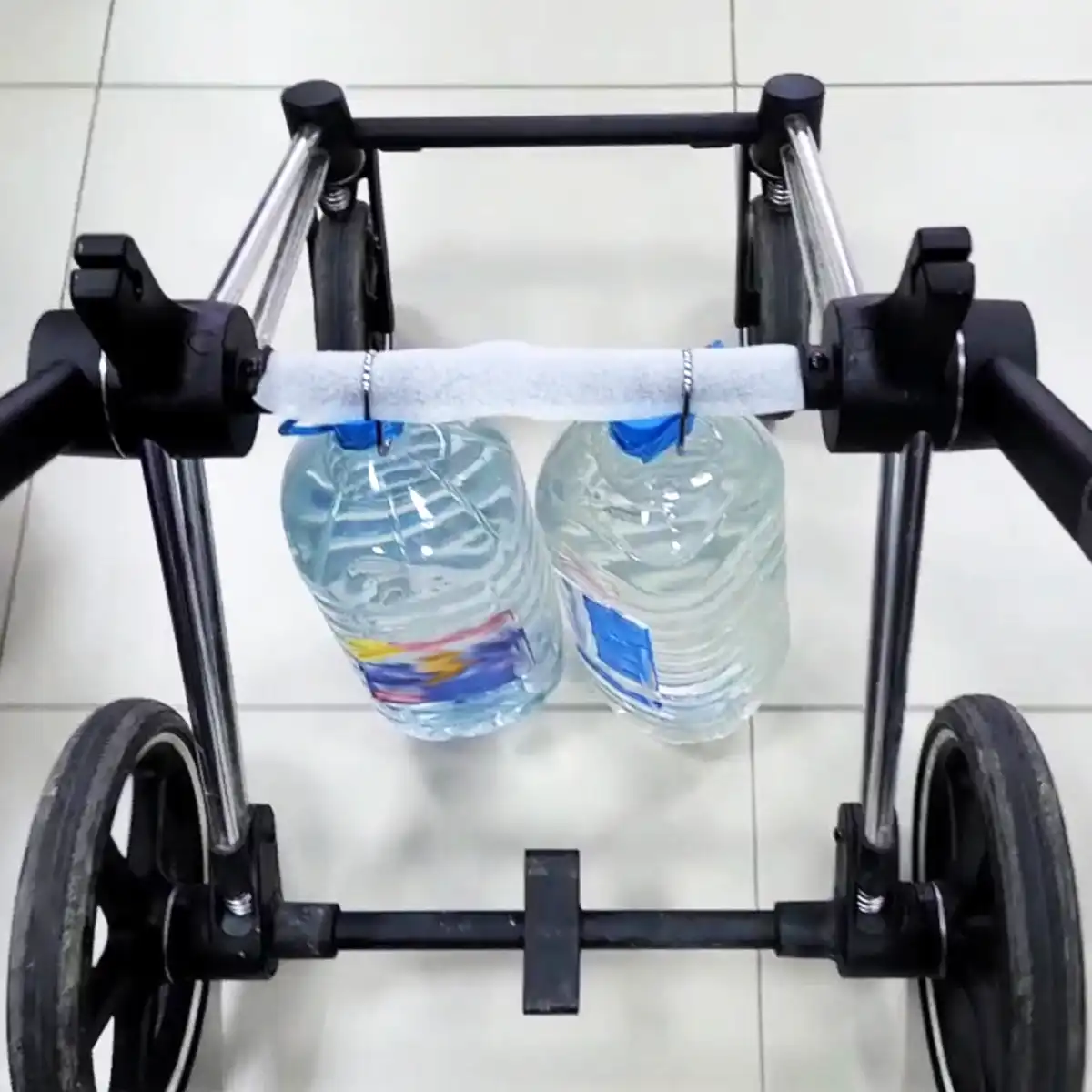
3. The "Ballast" Method Try adding 3–5 kg (7–11 lbs) of extra weight to the lower basket (e.g., a water bottle). Do not exceed the manufacturer's limit.
Increases sprung mass, allowing stiff springs to engage properly.
4. Wheel Upgrade (If Applicable) Some brands allow switching from solid EVA/Plastic wheels to air-filled (pneumatic) sets. This is the single most effective hardware upgrade.
Changes the unsprung weight and shock absorption coefficient.
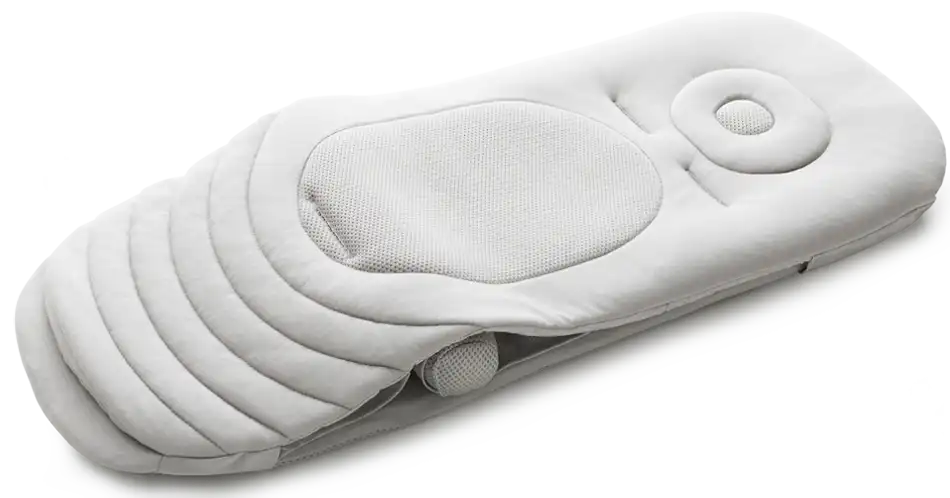
5. Lifehack-2: Orthopedic Inserts There are additional orthopedic mattresses (bassinet inserts) with specific properties that can soften the ride experience for the baby.
⚠️ Attention! Preliminarily consult with a leading pediatrician!
Acts as a secondary vibration damper with energy dissipation.
6. Wunderkind Workshop Exclusive: PU-to-Pneumatic Conversion If your stroller has solid PU wheels and no replacement set exists, we can perform a "Pneumatic Conversion." We install a tire and an inner tube onto your original rim.
Result: You keep your original design but gain the ultimate softness of an air-filled ride.
This Chassis Retrofitting allows for a 100% increase in shock absorption on the same rim.
Engineer's Resume:
If all the measures taken from the table above have not yielded the desired results in softening the ride, then the most radical option would be buying a new stroller with excellent suspension.
How to Choose a Stroller with the Best Suspension
In this new table, I will show you the different types of shock absorbers and how to correctly orient yourself in a stroller shop during your purchase.
Suspension Type
Visual Reference (Photo)
How it Works & Engineering Verdict
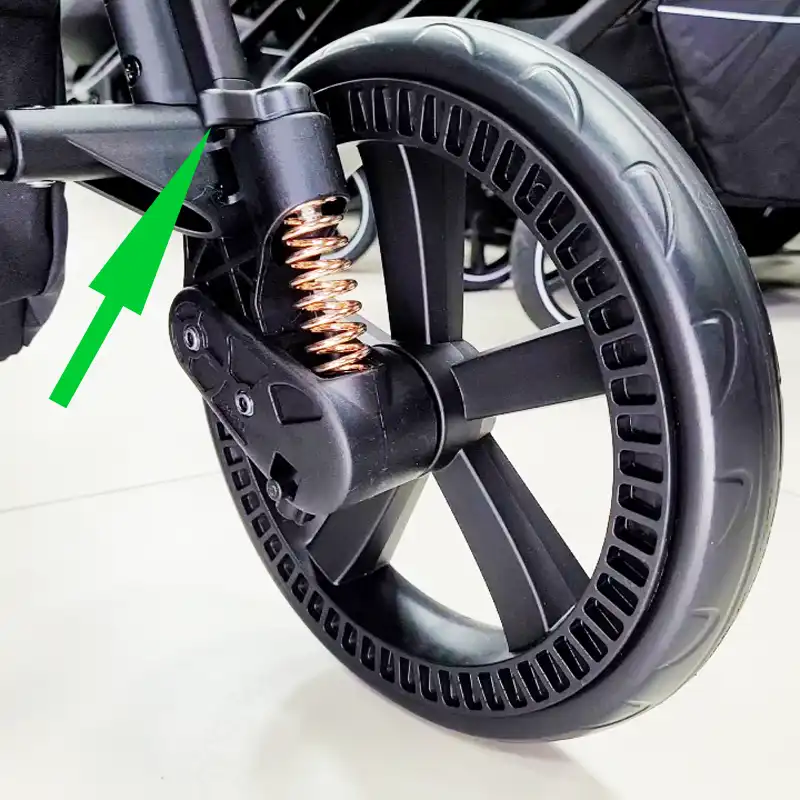
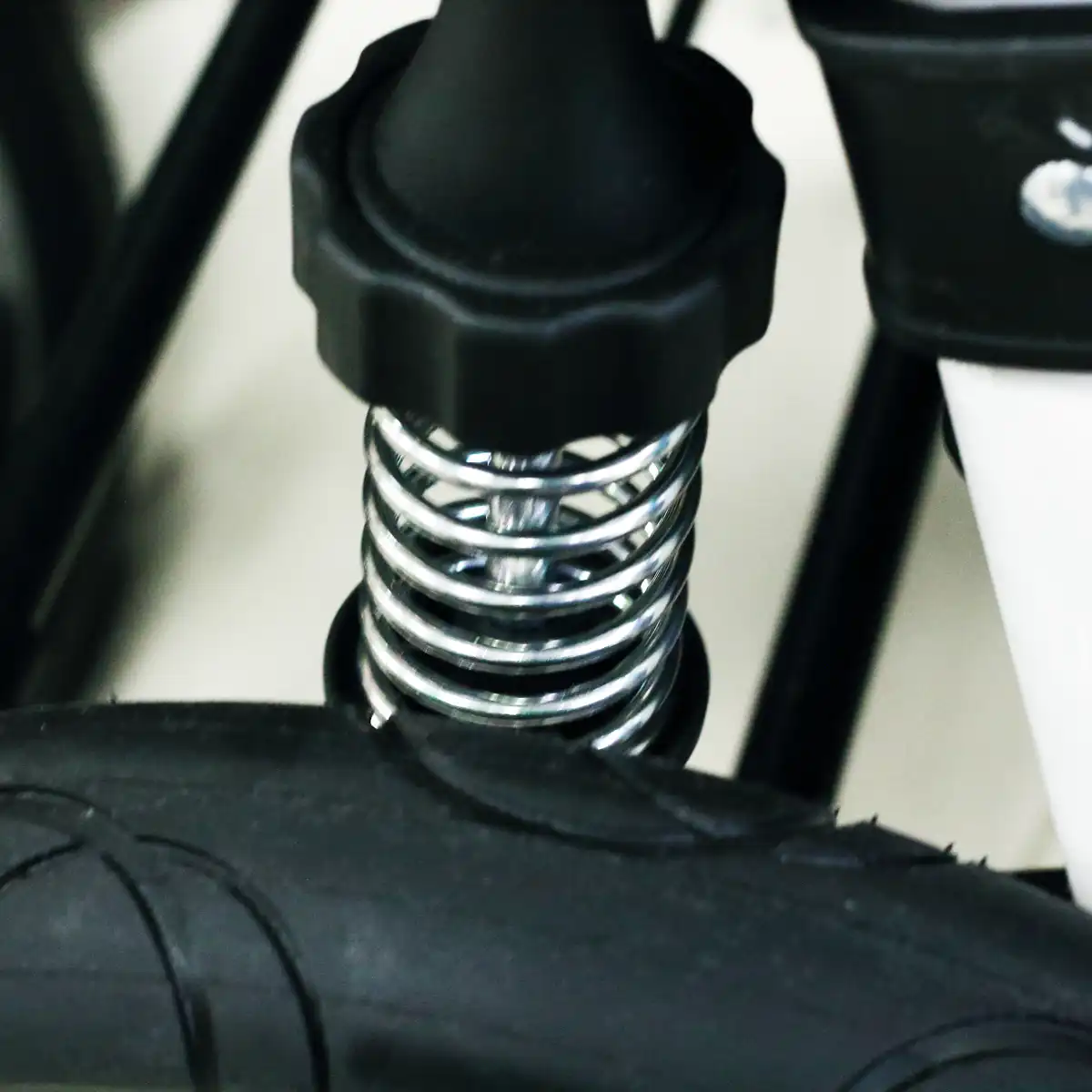
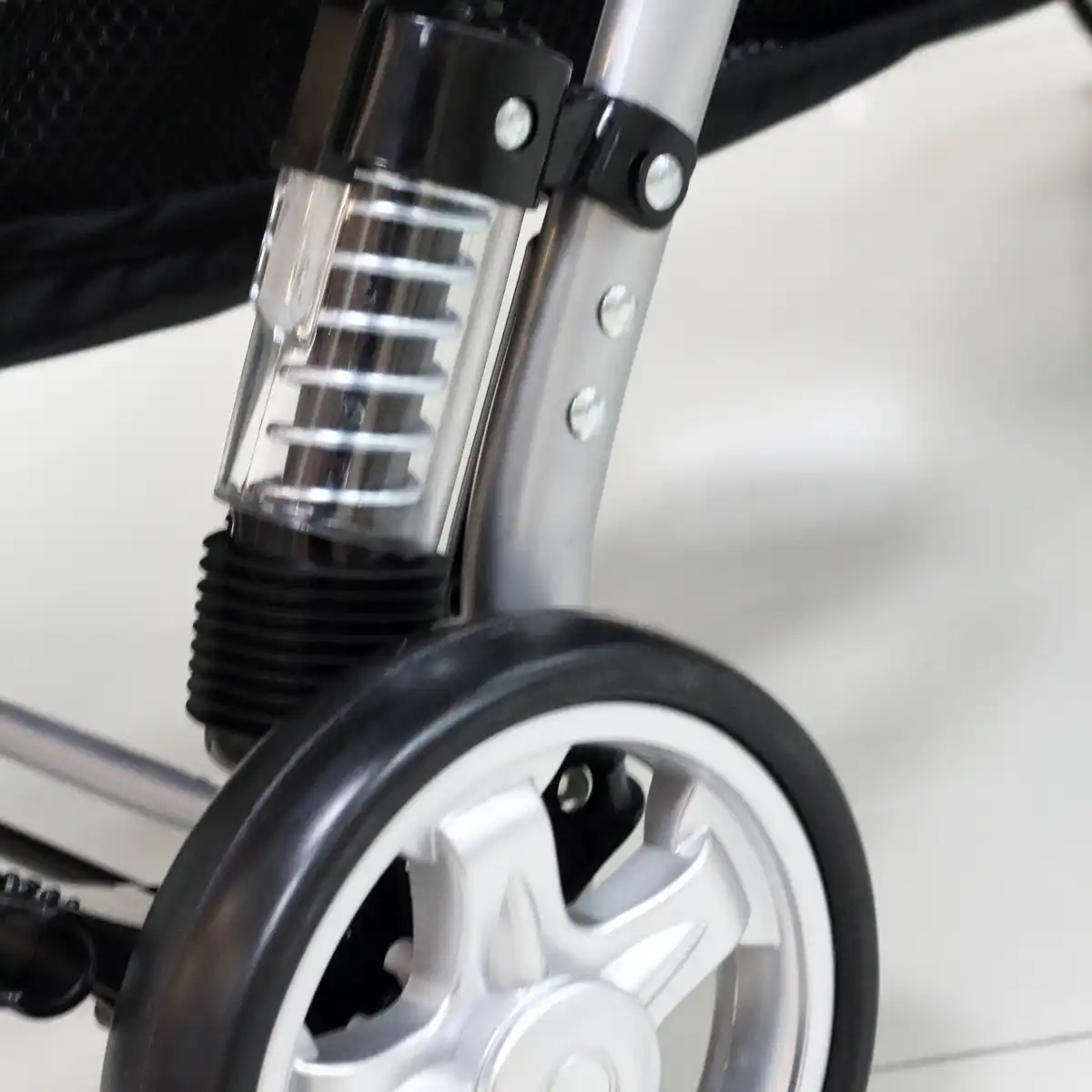
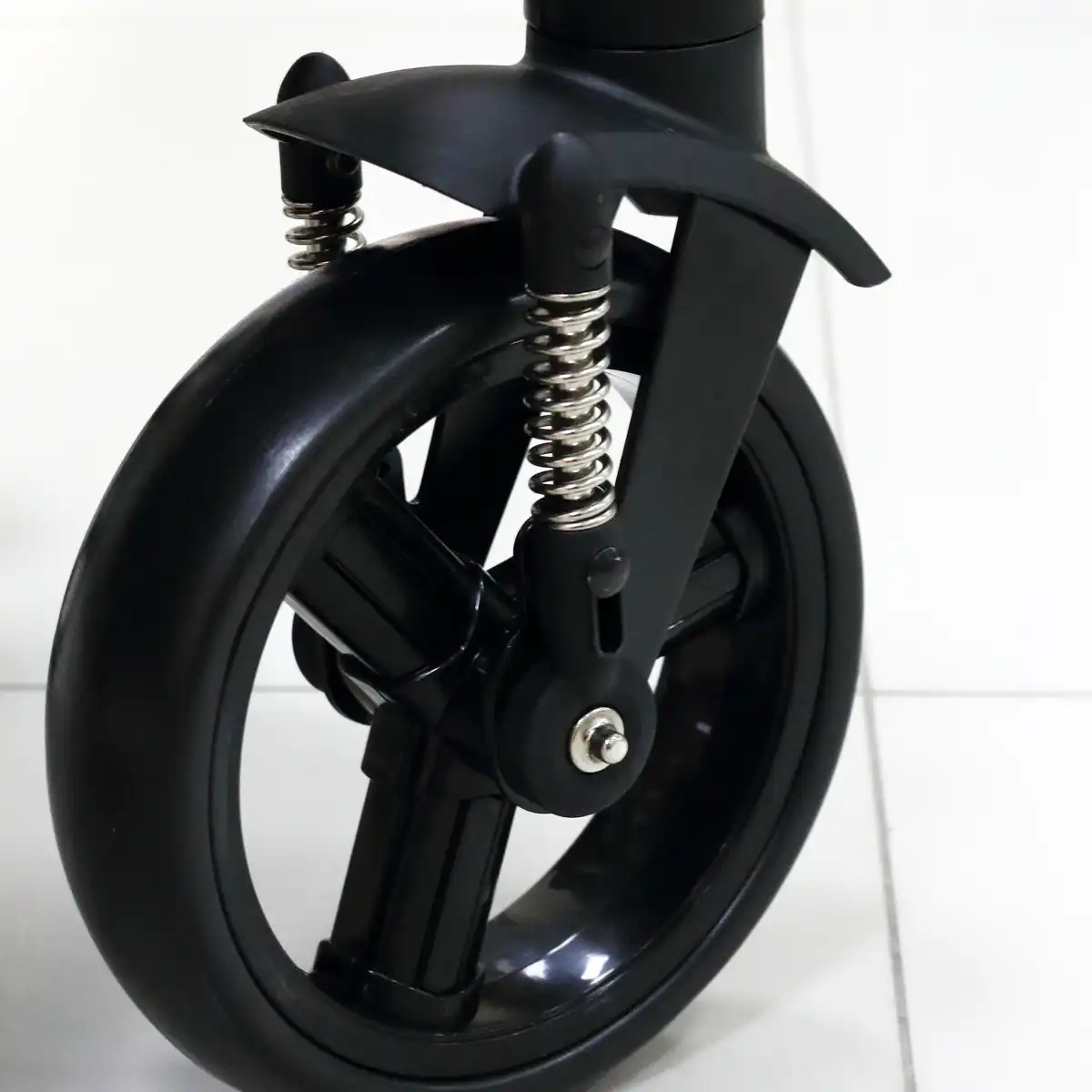
Direct Coil Spring Absorbers
These work by compressing a metal coil.
The Expert's Choice: Look for a large spring with a higher number of coils and a smaller wire diameter (cross-section). This ensures a lower spring rate and a much smoother response to bumps.
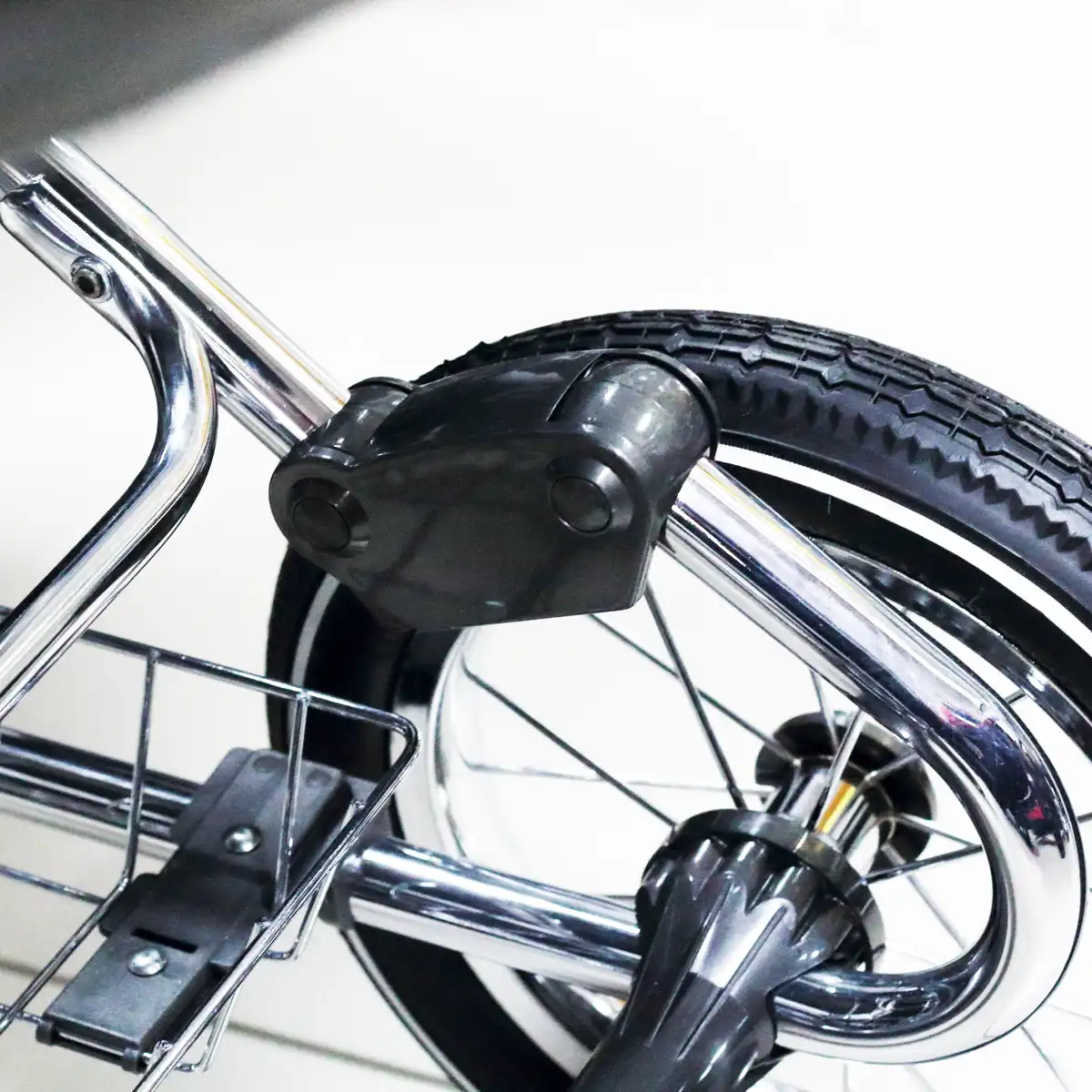
Leaf Spring Absorbers (Classic)
Utilizes flexible arched plates. They provide excellent lateral stability while maintaining a very soft vertical "rocking" motion. Ideal for newborns who need maximum vibration isolation.
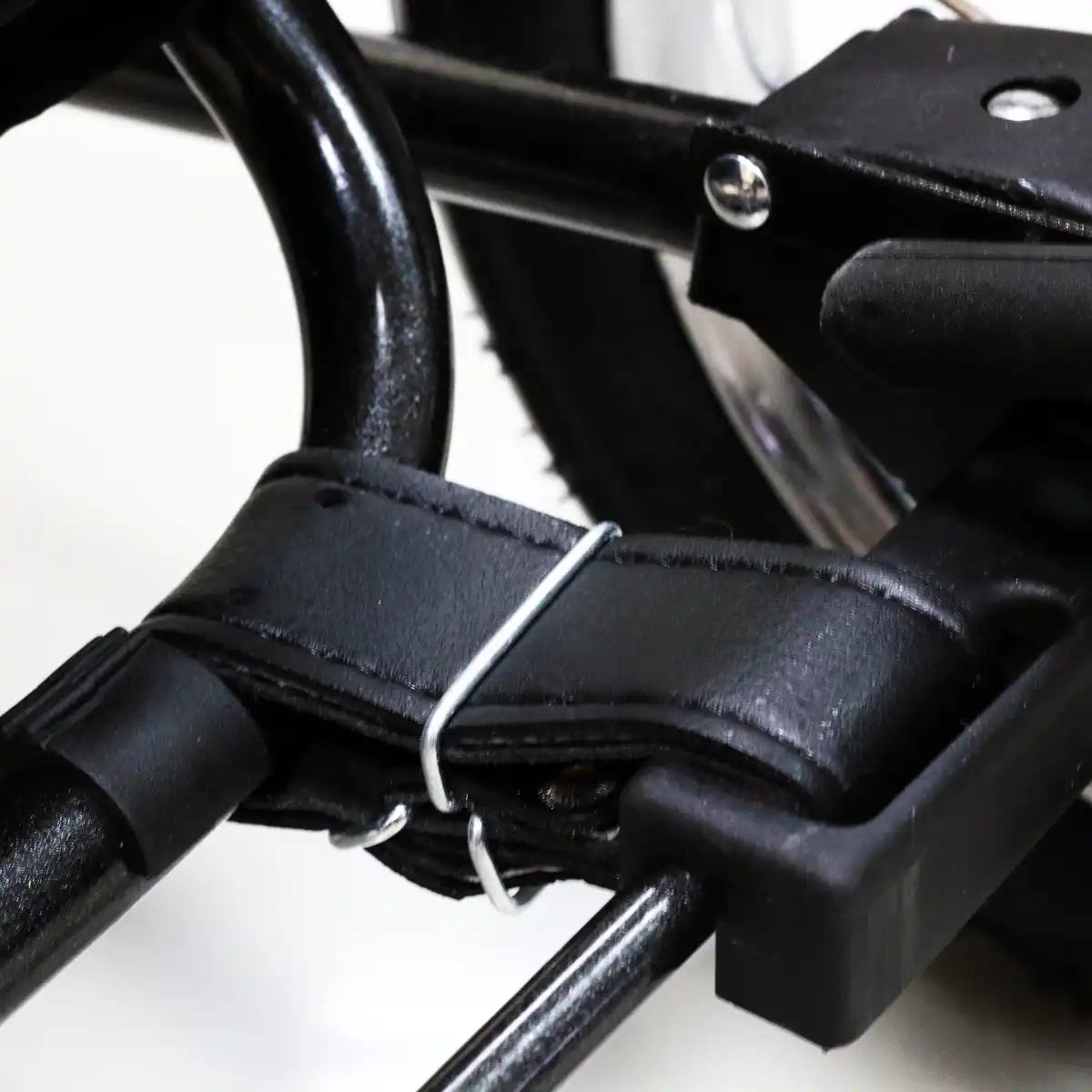
Strap Suspension (Belt-driven)
The most classic and softest type. The chassis "hangs" on leather or synthetic straps, allowing for multi-directional movement. It physically eliminates the rigid connection between wheels and the baby.
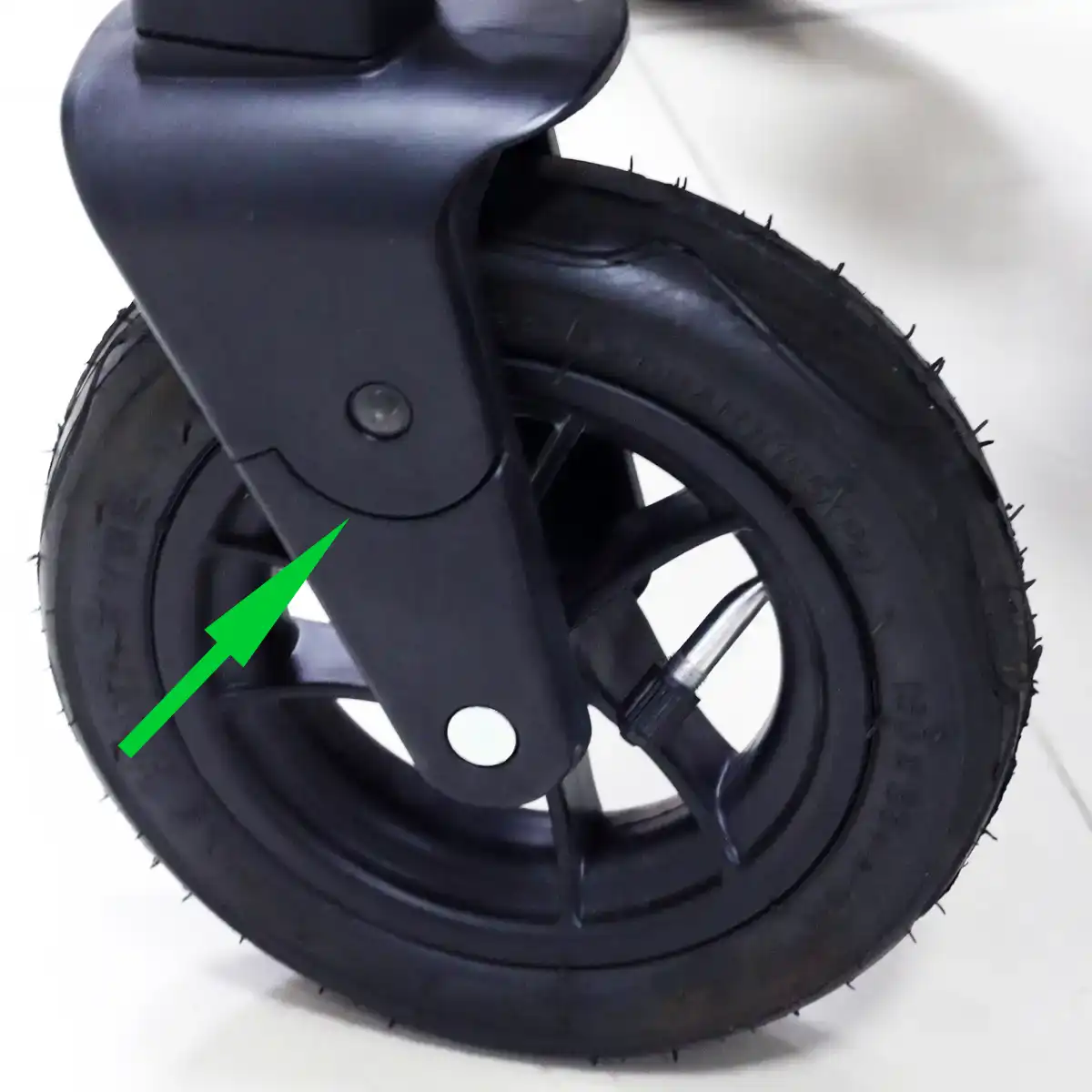
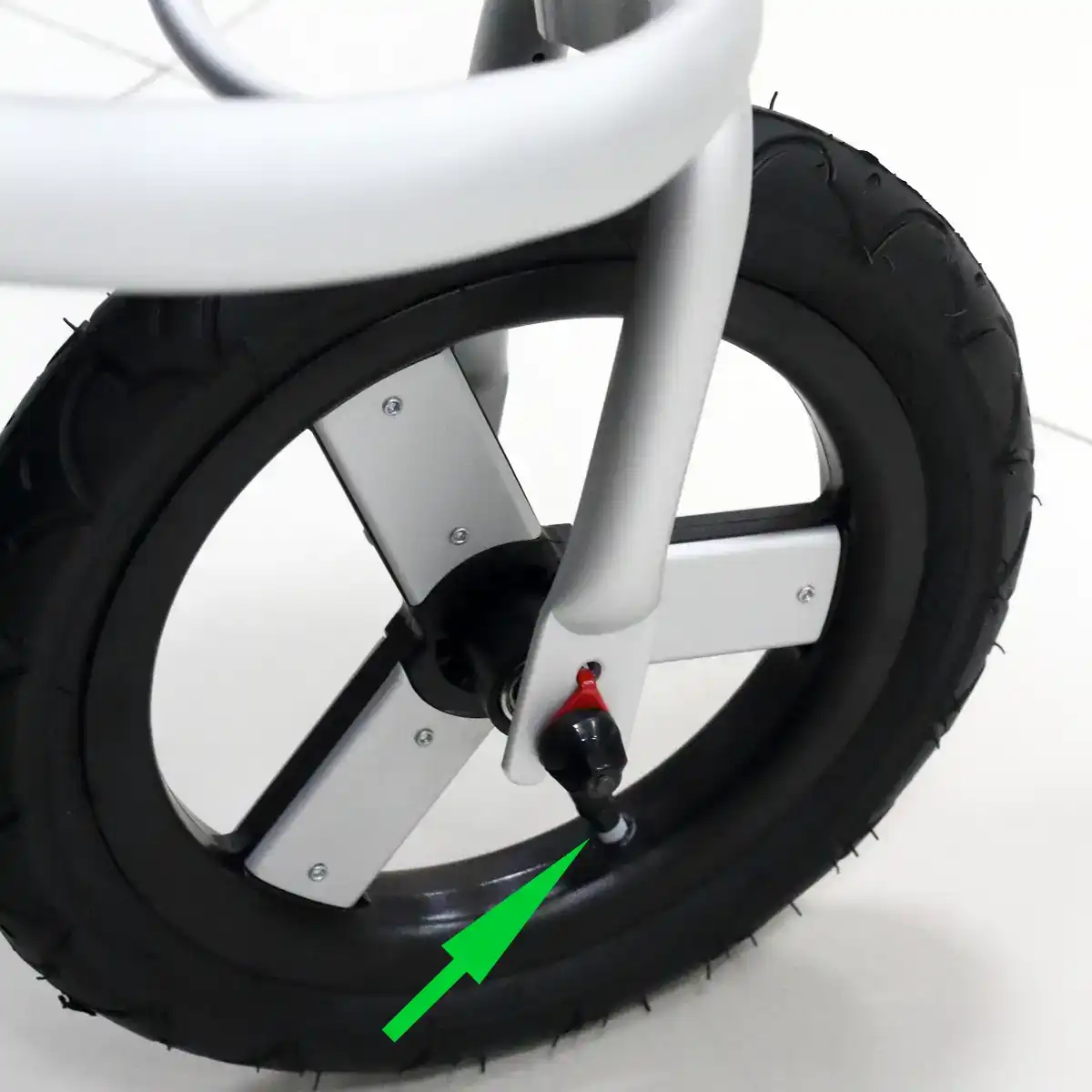
Anti-Shock System
Works on the pendulum principle. Mostly used in front wheels. When the wheel hits an obstacle (like a curb), it moves slightly backward and upward, absorbing the horizontal impact energy instead of transferring it to the frame.
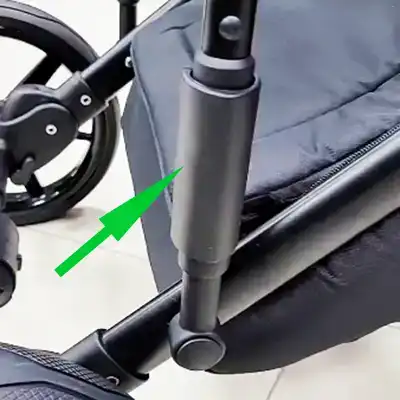
Frame-Mounted Suspension Strut
An additional shock-absorbing unit located directly on the chassis frame.
Verdict: Significantly improves the overall damping characteristics. By creating a Dual Suspension System, it allows the frame to flex and absorb impacts that wheel-only springs might miss.
Decorative (Cosmetic) Elements
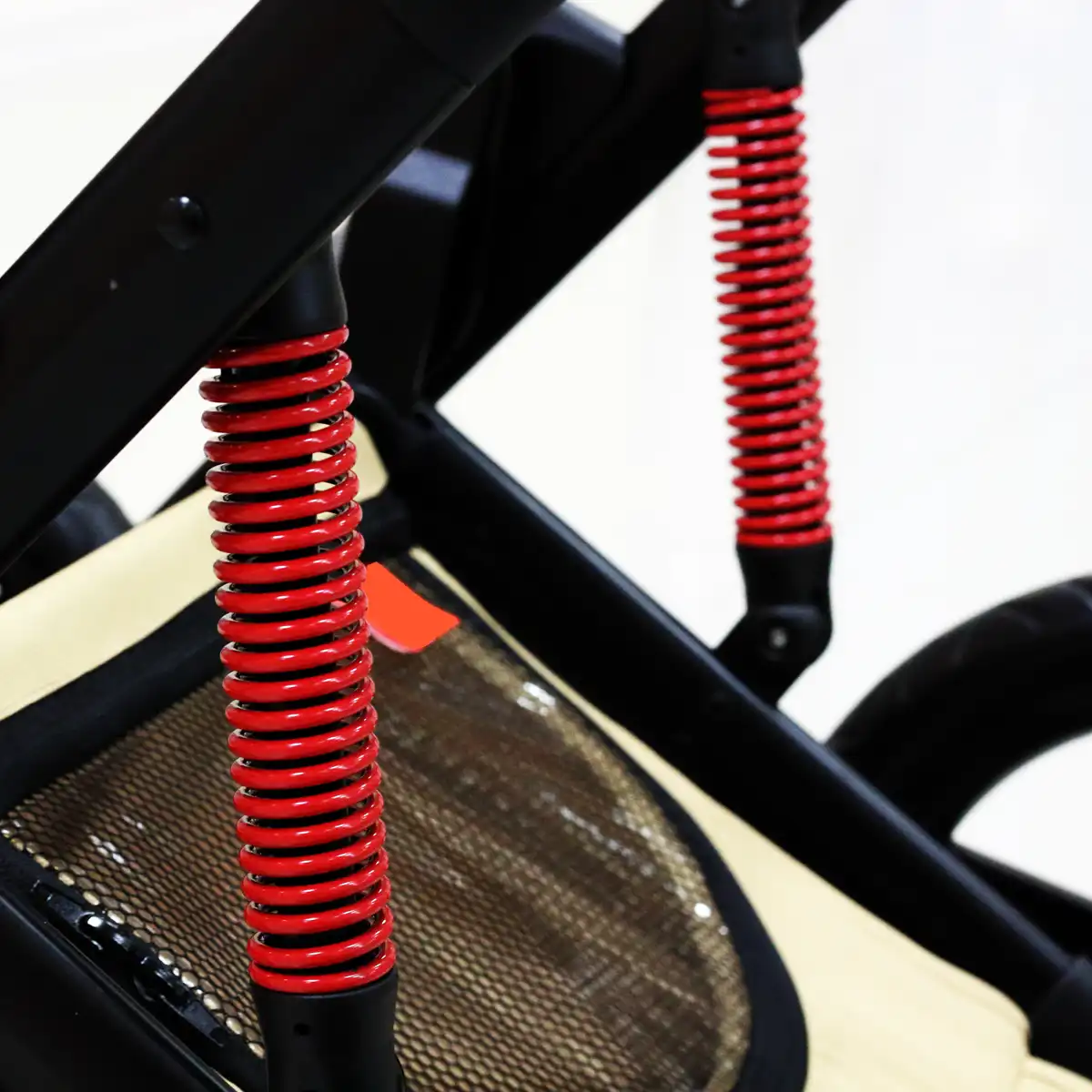
These are springs often encased in thick plastic or highly compressed for visual effect.
The Reality: They look professional but have zero or minimal travel (less than 5mm). Since they lack real mechanical leverage, they do not absorb shocks on the road. They are visual-only components designed for aesthetic appeal.
Resume on the Selection Table:
The best solution for choosing a stroller with a smooth ride is the presence of Type 1, 2, or 3 absorbers on the rear wheels.
Additionally, ensure the presence of an Anti-Shock system or high-quality coil springs on the front wheels (using the same selection criteria).
How to test: Always check the suspension by pressing firmly on the handlebar.
ATTENTION! Parents often only check the rear suspension. Don't forget to test the front—your baby’s head is often closer to the front wheels during impact!
The Wheel Guide: Choosing the Right "Tire" for Smoothness
Suspension starts where the stroller meets the ground. No matter how good your springs are, the wrong wheel material can ruin the ride. Here is my engineering breakdown:
Wheel Type
Photo/Ride Smoothness
Engineering Pros & Cons
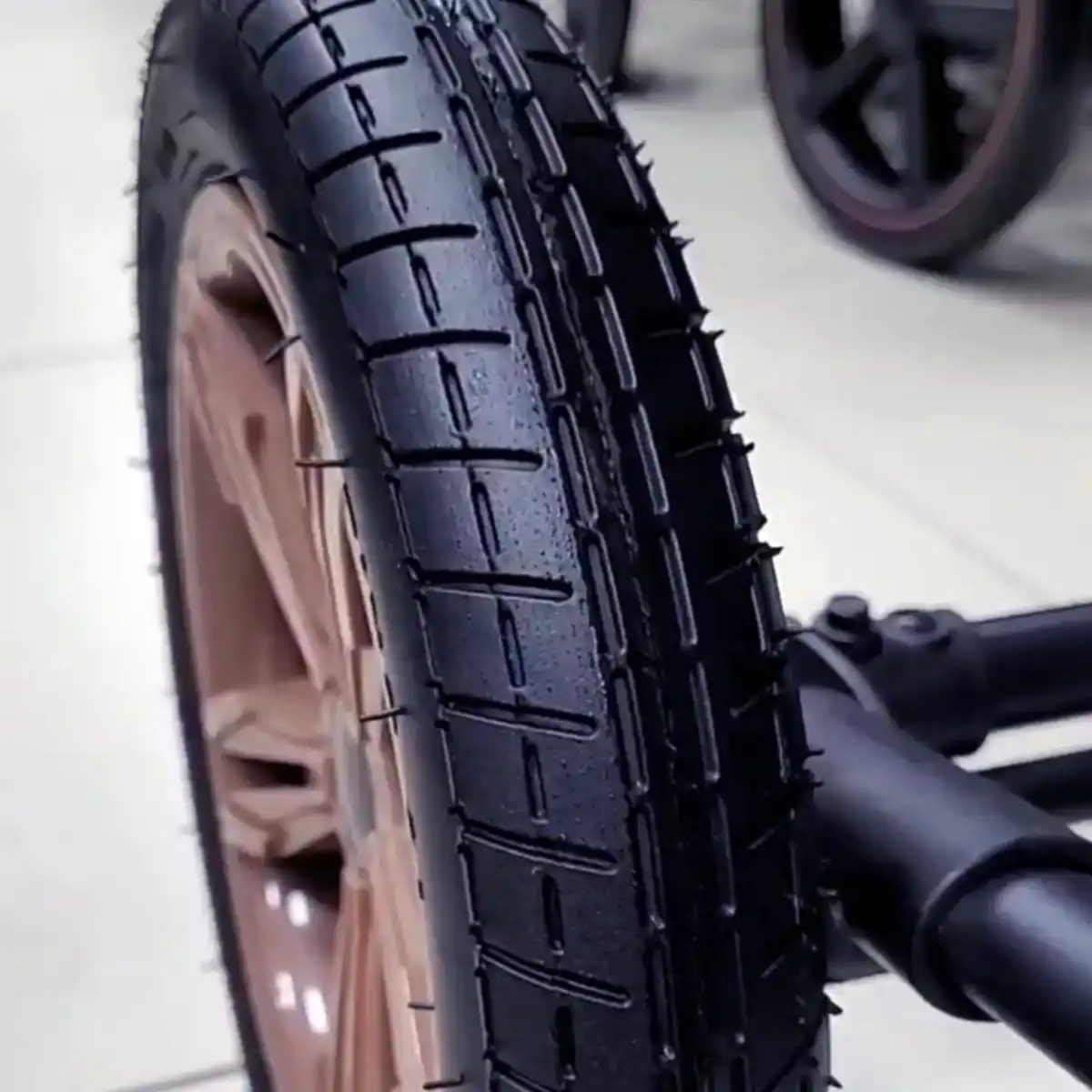
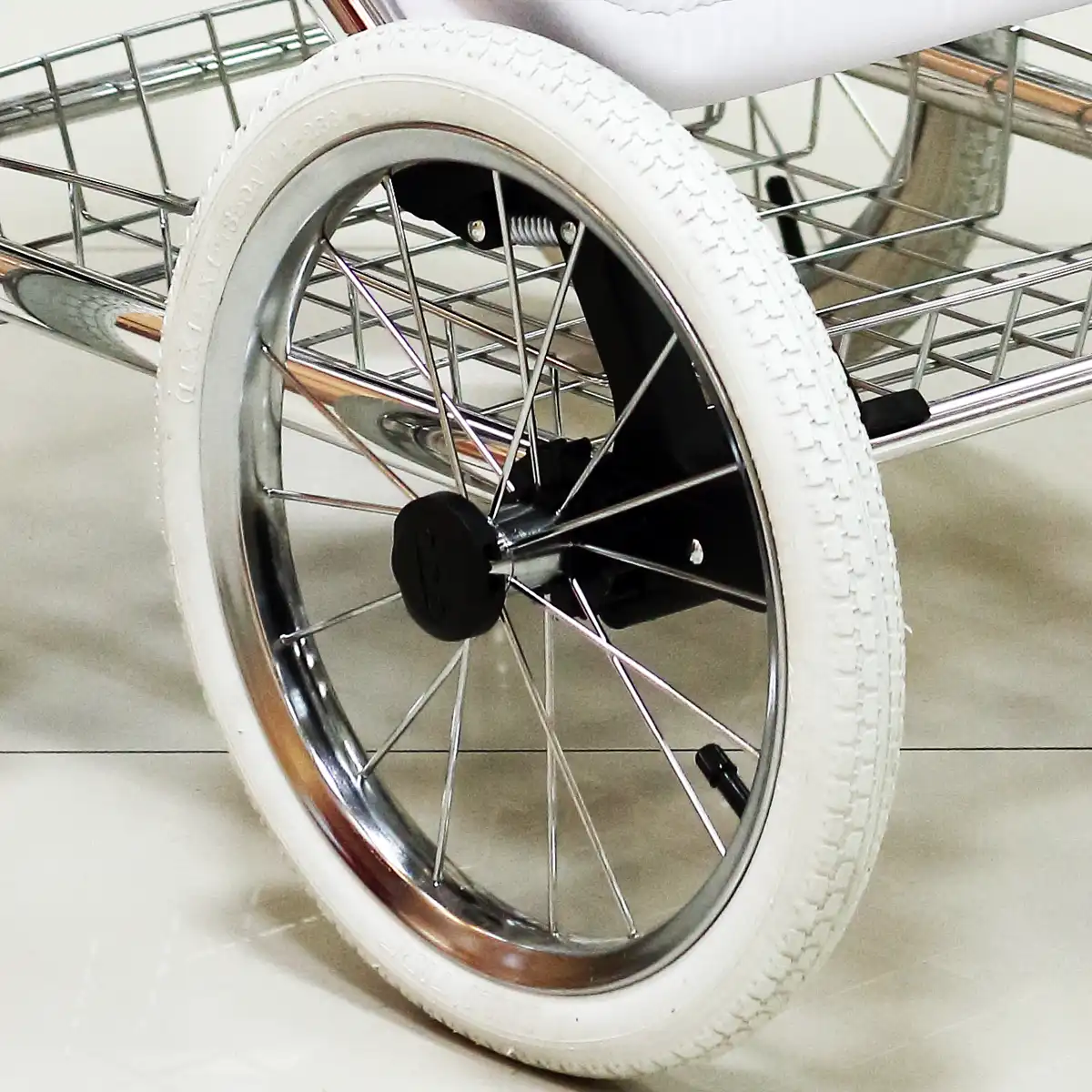
Pneumatic (Air-filled)
Maximum Smoothness
Provides the best vibration damping. Cons: Risk of punctures, requires regular inflation (maintenance), and significantly higher curb weight.
Gel / Foam-filled PU
Medium Softness
Puncture-proof and maintenance-free. Engineering catch: About 20% lighter than air-filled, but can harden and squeak in freezing temperatures.
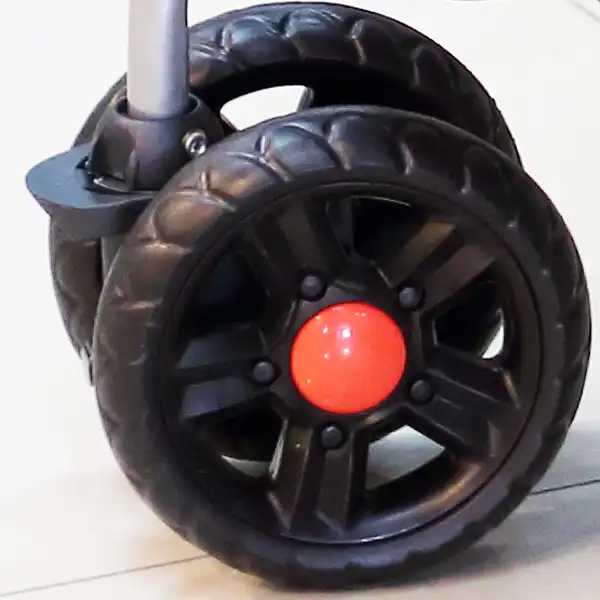
EVA (Polymer Foam)
Low Softness
Extremely lightweight (up to 50% lighter than air tires). Reality: Poor impact absorption. Better for indoor mall use than for real-world bumpy sidewalks.
Hard PVC / Plastic
Stiffest Ride
No maintenance, lowest weight. Warning: Becomes extremely rigid in cold climates. Every pebble is felt through the handlebar.
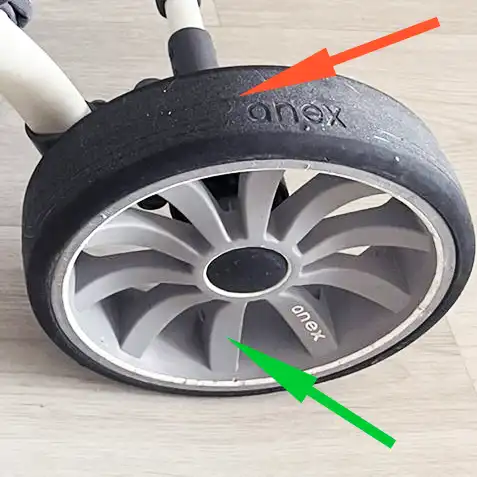
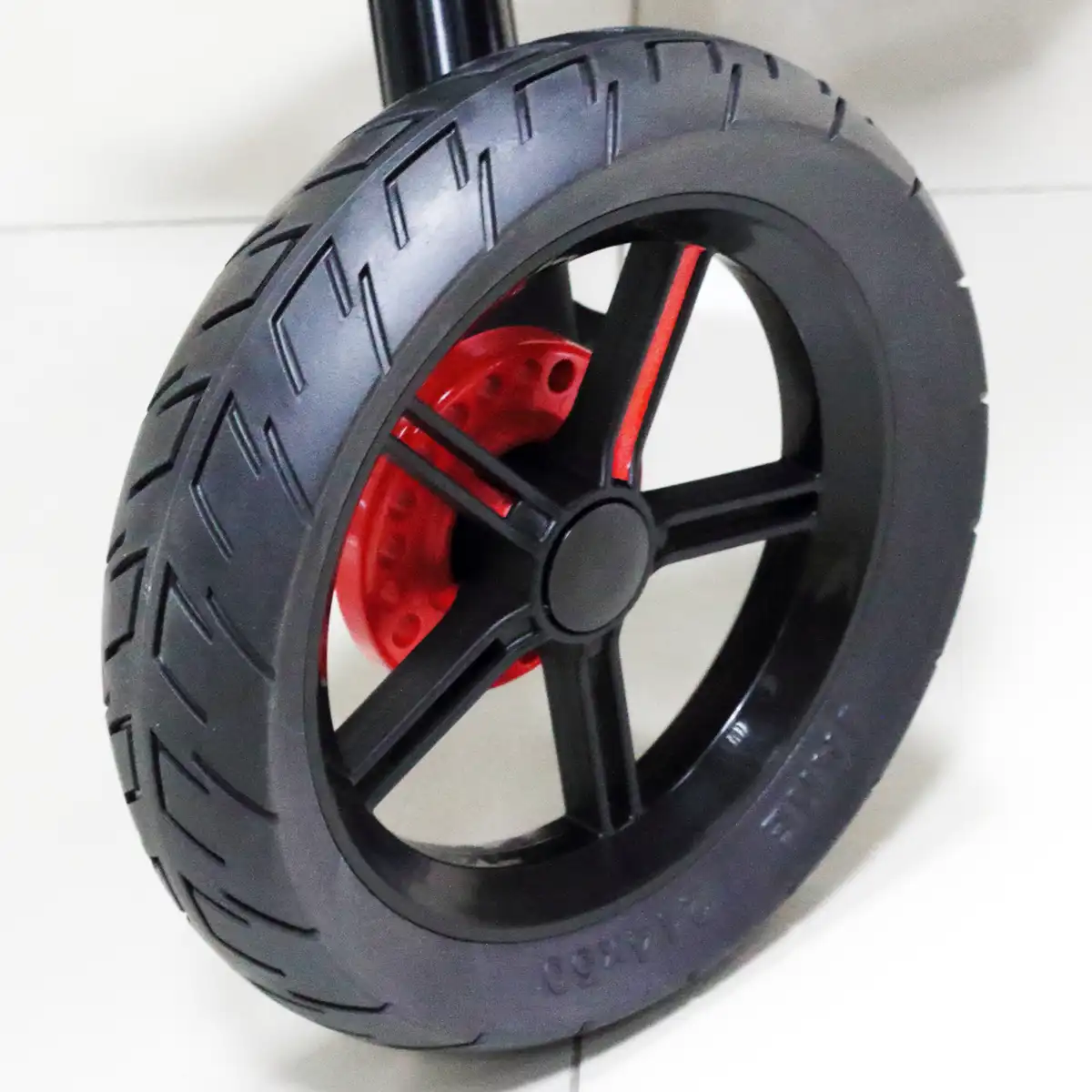
Hybrid Materials (Foamed Rubber)
Balanced Softness
A composite material with a solid rubber exterior and a microscopic cellular (foamed) interior.
Pros: Puncture-proof, zero maintenance required, and significantly softer than PVC. Cons: Higher mass (heavier than PVC) and relies on the material's viscoelasticity for shock absorption.
Wheel Diameter (The "Rollover" Factor)
The wheel handles uneven surfaces better.
The larger the wheel diameter, the better it absorbs road imperfections.
Engineering Logic: A larger radius reduces the Angle of Attack when hitting obstacles (pavement gaps, asphalt cracks). The ratio of the rim’s curvature radius to the size of the road defect determines the smoothness of the vertical displacement.
The Ultimate Verdict on Smoothness:
For the maximum smooth ride, the physics of air compression simply cannot be replicated by solid polymers. My professional advice:
1. Prioritize Pneumatics: Always choose large-diameter air-filled wheels. If your stroller came with stiff PU, consider a Pneumatic Conversion (Retrofitting) at a specialist workshop.
2. Seek "Dual Suspension": Look for a chassis that combines rear-wheel springs with additional frame-mounted struts. This dual-stage damping is the only way to handle aggressive pavement.
The extra weight and maintenance of air tires are a small price to pay for your baby’s spinal safety and comfort. Physics doesn't lie.
(Recommended chassis type for maximum ride smoothness)
Final Engineering Verdict
As the Lead Engineer of the Wunderkind Expert Service Center, my mission is to ensure your choice is driven by pure physics, not hollow marketing.
Don't wait for your stroller to turn into a "wooden cart" on the road. Whether you are only planning a purchase or struggling with a bumpy ride right now — get a professional engineering audit first. I help you decode the real mechanics behind the specific models, saving your budget and your baby's comfort.
Engineering Expertise since 1982. Certified by Britax-Römer Academy (Distinction Grade, 2026).
Need a Professional Audit?
I provide remote engineering audits and consultations worldwide.