|





Best Stroller for Snow and Sand: Engineering Audit & Physics FactsBest Stroller for Snow and Slush: Engineering vs. MarketingPhysics Doesn't Lie: Why Most 'All-Terrain' Strollers Fail in Winter
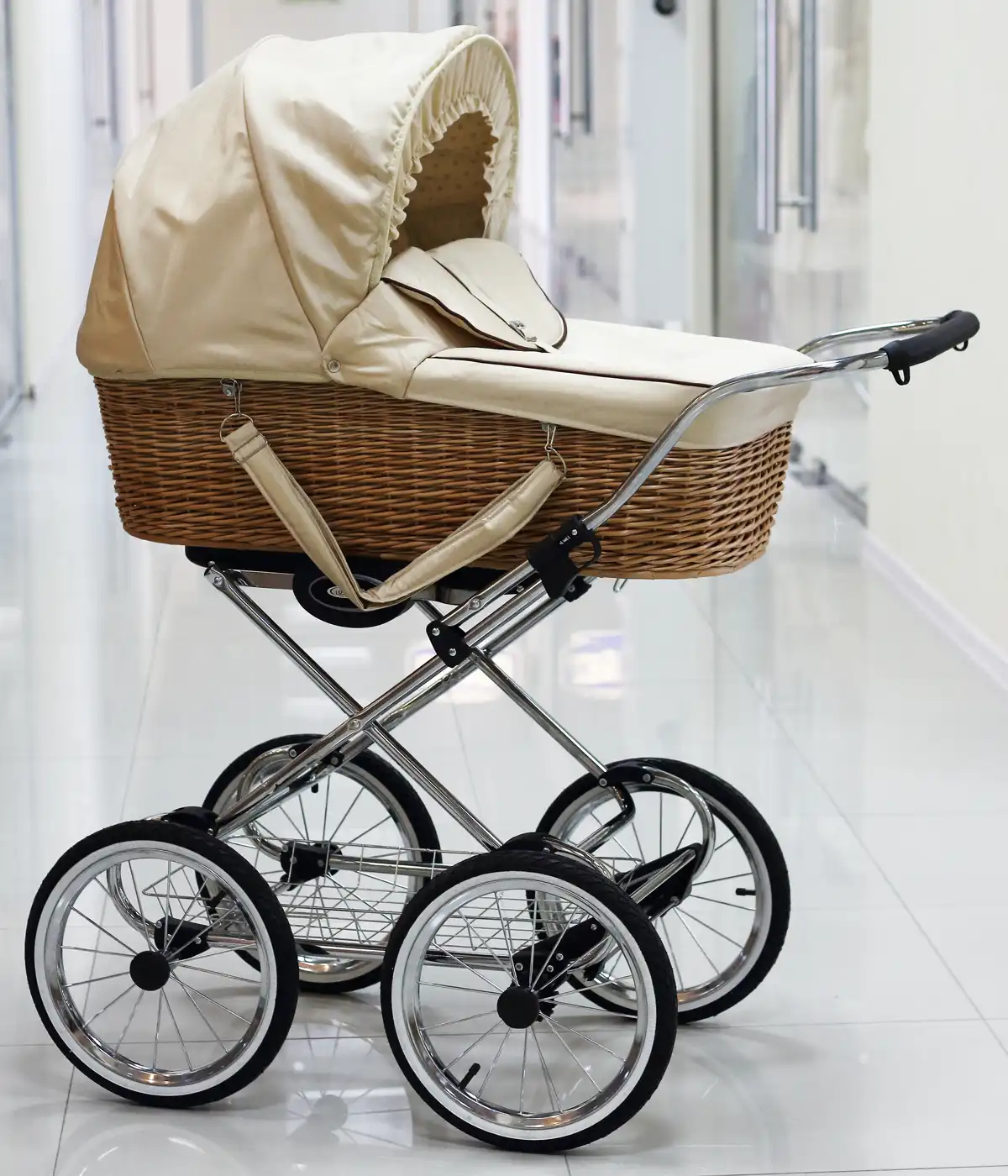
Classic 14-inch wheels: The Winter Specialist. ❄️ While modern strollers act like snowplows, this beast slices through slush with zero resistance — just like a pizza cutter through dough. Notice the thin profile and massive diameter — that's pure high-pressure engineering. It doesn't push the snow; it defeats it. Real-world test from the 2012 archives. No plastic gimmicks, just leverage and pneumatic power.
Stuck in the Snow? Here’s the Cold Hard Truth!Real talk: Don't let a "fancy" price tag leave you stranded in a snowbank!
Look, we’ve all been there. You bought the "SUV of strollers," but the first inch of slush turns it into a useless anchor. Here is the 5-finger breakdown of why you're struggling:
And now, let’s switch to "Professor Mode": Engineering Audit: Flotation vs. Snow PiercingTo dominate the winter, you must understand the consistency of the substrate. Physics dictates two different strategies based on snow density:
The Friction Factor: Why "Bald" Tires are DangerousIn "Professor Mode," we don't just look at width; we look at the Coefficient of Friction. On frozen surfaces, a smooth (slick) tire acts like a ski. This leads to a catastrophic loss of control on even a 2-degree incline.
*Expert Note: Small plastic wheels fail in BOTH scenarios because they lack the diameter to climb (Attack Angle) and the air-volume to dampen vibrations.*
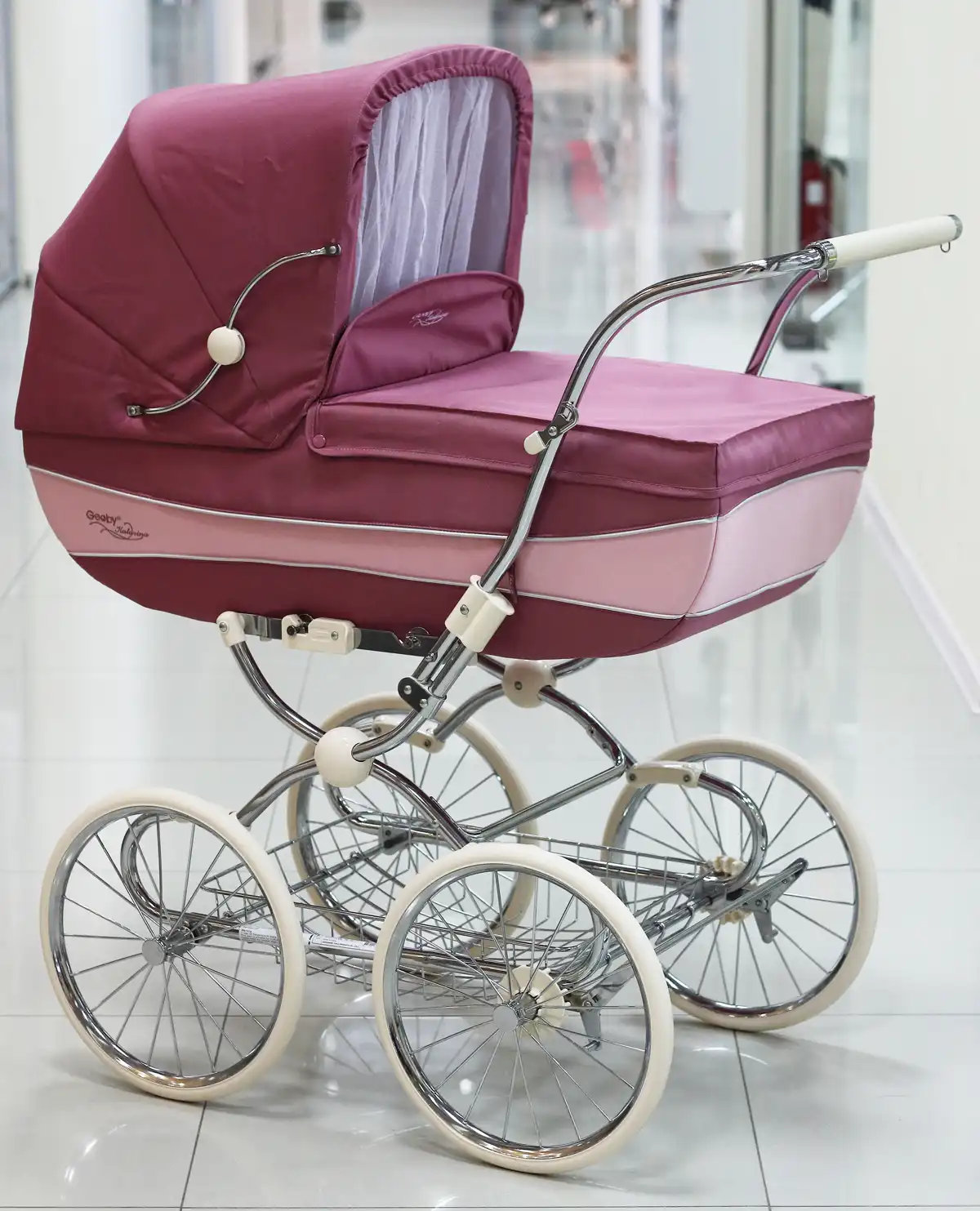
The Ocean Liner of Strollers. 🚢 With 16-inch wheels, this isn't just a pram; it's an momentum machine. While it’s not for off-road mud, its "Attack Angle" is so shallow it bridges cracks in the pavement without a vibration. No air, no punctures, just pure rolling efficiency. If you want a smooth, effortless glide on city boulevards, this is 19th-century physics beating 21st-century plastic.
Leverage & Attack Angle: Why Small Wheels Hit the WallWhen a stroller hits a frozen car rut (rut depth > 2 inches), it's not about "pushing harder." It's about Vector Physics. A small wheel doesn't roll over the obstacle; it collides with it. The 6-inch Failure (Modern "City" Wheels):
The angle of attack is too steep. The horizontal force vector simply pushes the wheel into the ice wall. Result: The stroller stops dead, and the parent risks a "tip-over" incident. The 14-inch Advantage (Classic/Off-road):
The large radius creates a shallow attack angle. The wheel "climbs" the obstacle because the force vector is directed upward, not just forward. It bridges the gaps that swallow smaller wheels. Professor's Formula: Success in winter terrain is directly proportional to R (Radius) and inversely proportional to μ (Rolling Resistance). If R < Rut Depth, you are in trouble. Tracking Efficiency: The "Two-Rut" Engineering RuleWhether it's the deep sand of Florida beaches or the heavy slush of Montana winters, there is one rule marketing experts ignore: Track Coincidence. 1. The "Power of Two" vs. "The Drag of Four"A classic 4-wheel stroller with identical axle widths creates only two tracks. The rear wheels follow exactly in the compacted path of the front wheels. 2. Sand Performance: Flotation is KingOn dry sand, the "Slicing Effect" we use for slush is reversed. Here, we need Maximum Surface Area combined with pneumatic damping. Without large air-filled tires, your stroller becomes an anchor. Want more? Read my deep-dive on Stroller Suspension Physics: Why Your Baby Feels Every Bump to understand how to protect the chassis from structural fatigue.
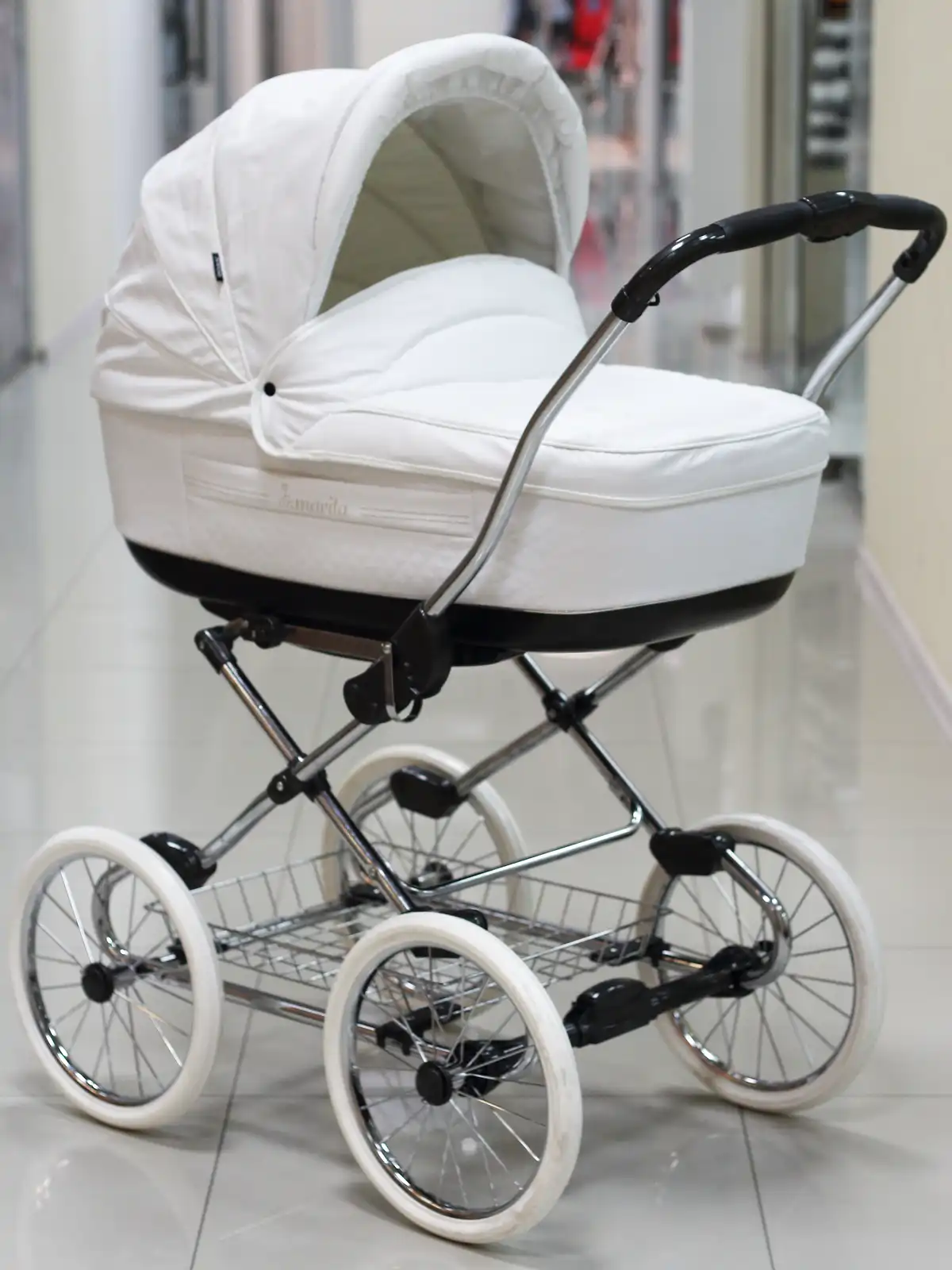
The "Set It and Forget It" Machine. 🛠️ These 14-inch solid wheels are the ultimate answer to urban debris and sharp gravel. No air means zero chance of a flat tire miles away from home. While they lack the "cloud-like" feel of pneumatics, their massive diameter and slim profile still slice through winter slush with surgical precision. It’s a reliable, heavy-duty engineering choice for parents who value uptime over everything else. Pure, unbreakable physics.
Regional Terrain Audit: From Coast to PeakOur engineering principles aren't just for textbooks; they are battle-tested for specific US environments:
One Path is Better Than Two! (The Slang Version)Whether you're hitting the Jersey Shore or surviving a Minnesota blizzard, remember this:
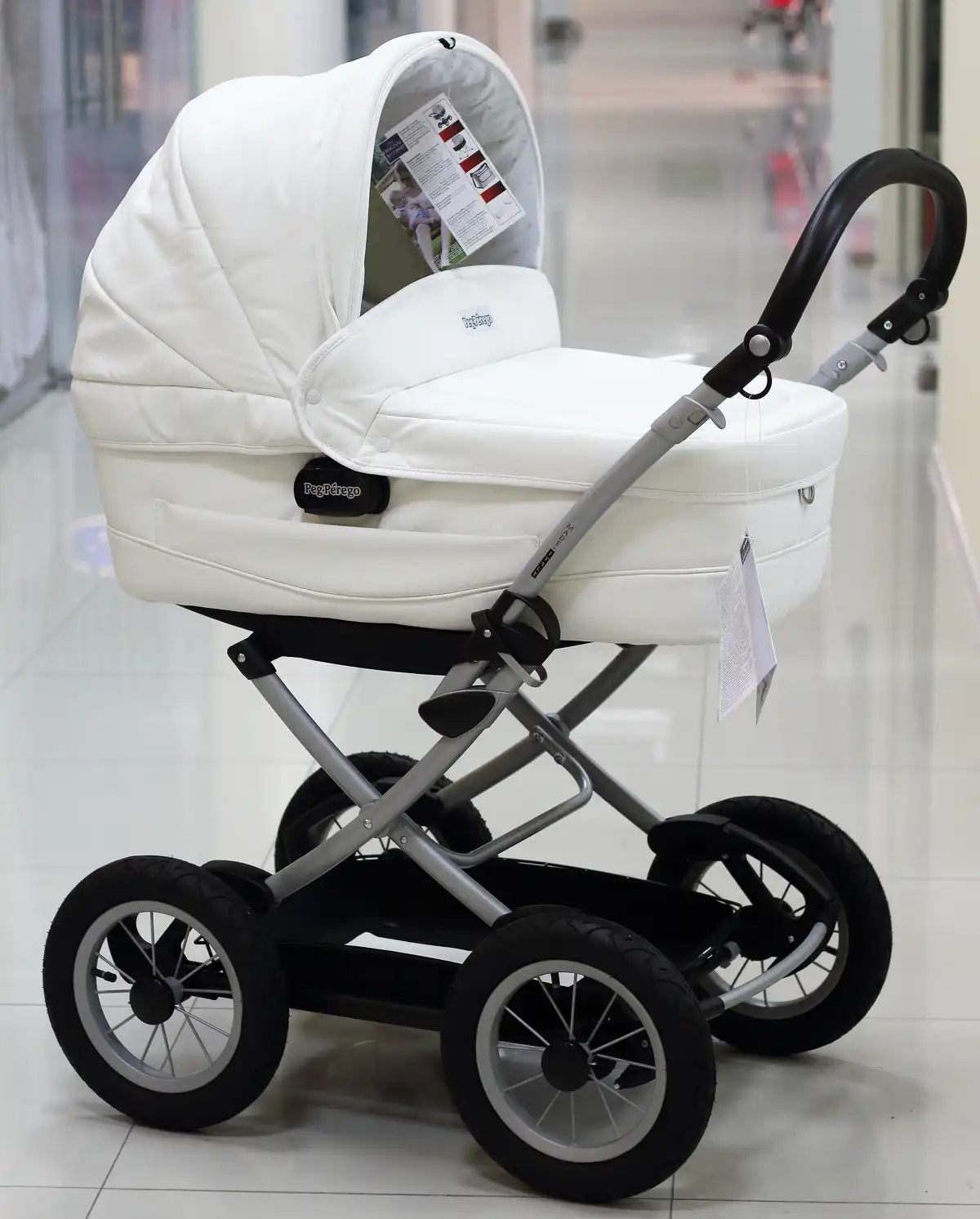
The European Gold Standard. 🇪🇺 The 12-inch pneumatic tire is the "Sweet Spot" of engineering. It’s large enough to ignore 2-inch slush but nimble enough for a crowded NYC sidewalk. This isn't just a wheel; it's a 300mm air cushion that protects your baby's spine from "Micro-Shocks" that modern plastic strollers simply ignore. Reliable, repairable, and ready for a Montana winter or a London park.
The Engineer’s Final Verdict: Choosing Your Winter WarriorManufacturers often design for the "showroom floor" — flat, warm, and perfectly smooth. But life isn't a showroom. To find the best stroller for real-world conditions in Maine, Alaska, or the Florida Panhandle, just follow the Engineering Checklist: ✅ DO LOOK FOR:
🔍 UNDERSTAND THAT:
Physics doesn't lie. Choose a machine that works with nature, not against it. Stay safe and keep rolling, Need an Expert Consultation?Got questions about specific models or pneumatic conversion? Feel free to reach out! My contact details are at the bottom of this page. © 2026 Gennadiy [Ваша Фамилия/Бренд]. All Rights Reserved. Disclaimer: This article represents an independent engineering audit based on 40+ years of technical experience and physics-based simulations. While the information provided aims to enhance child safety and mobility, it is for educational purposes only. Always consult your stroller manufacturer's manual regarding specific weight limits and usage conditions. Physics doesn't lie, but user discretion is advised when navigating extreme terrains. Engineering Note: Mentioned geographical locations (Florida, Montana, etc.) are used for terrain-modeling purposes and do not imply official endorsement by local municipalities.
|
г. Новороссийск, пр. Дзержинского 211/2, тц «Перекрёсток», 4 этаж
🛡️ Официальная гарантия | 🛠️ Бесплатная сборка и ТО-0 | 👨🔧 Предпродажная подготовка инженером (стаж 43 года)
